Chip-Scale Optical Atomic Clocks
Temporal Photonics develops the timing solutions of tomorrow.
Temporal Photonics develops compact optical atomic clocks for critical infrastructure that requires precise, GPS-independent time synchronization. Built on integrated photonics technology. Designed for environments where failure carries operational consequence.

Threat Landscape
GPS-dependent timing is a systemic vulnerability.
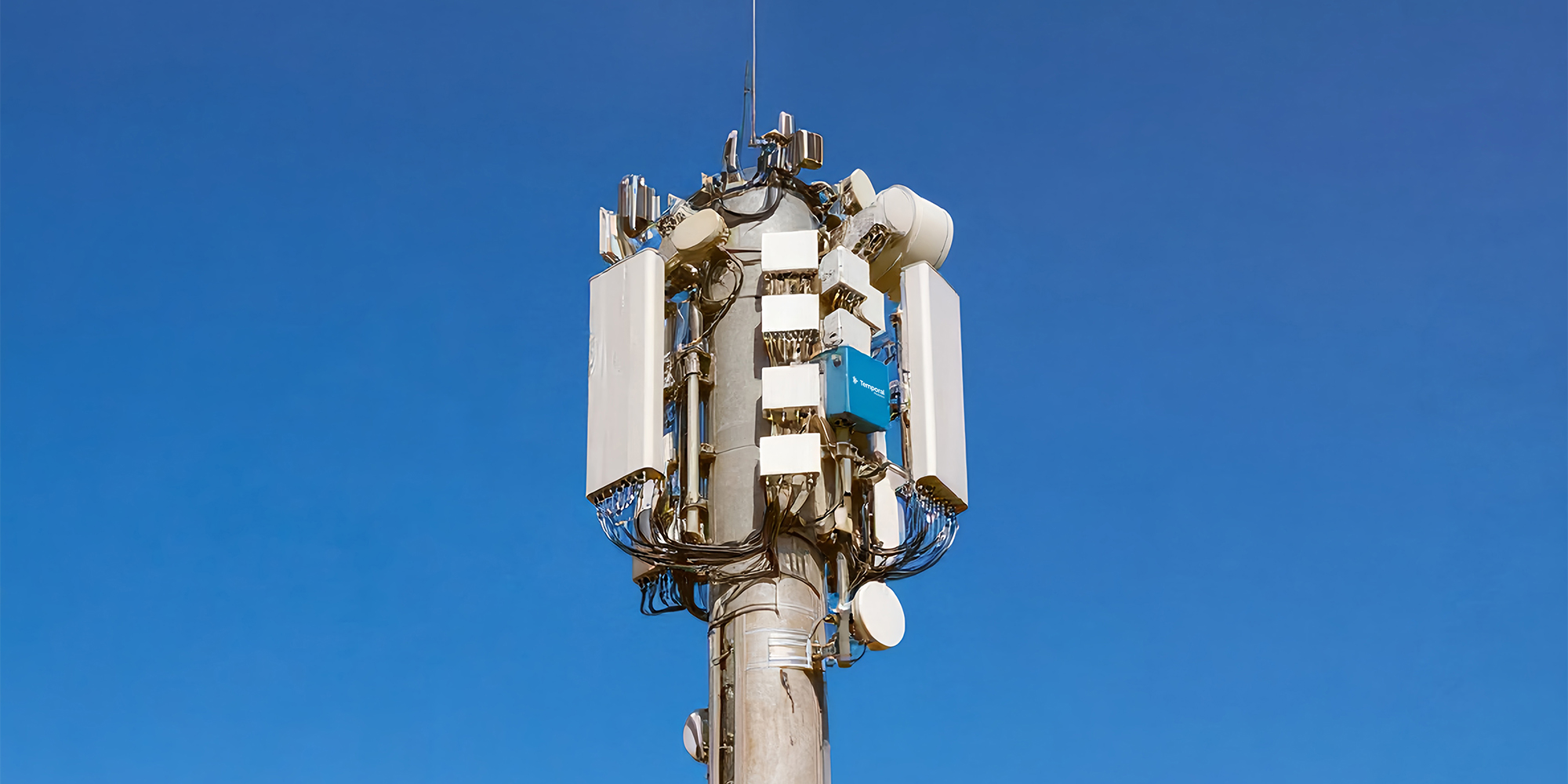
Modern critical infrastructure — power grids, financial networks, telecommunications, and defense systems — relies on GPS for precise time synchronization. That dependency is a single point of failure. Jamming and spoofing incidents are accelerating, and the consequences of synchronization loss in mission-critical environments are significant.
+193%
GPS Spoofing Incidents Year-over-Year
+67%
GPS Jamming Incidents Year-over-Year
Technology
Continuous precision.
No GPS required.
01
GPS signal is jammed or spoofed
Jammed
Spoofed
Lost
Jamming, spoofing, or outage removes GPS timing from the network. Dependent systems enter holdover mode and begin to degrade.
02
Standard clocks fail within hours
Drifting
Unreliable
Lost
Jamming, spoofing, or outage removes GPS timing from the network. Dependent systems enter holdover mode and begin to degrade.
01
GPS signal is jammed or spoofed
Jammed
Spoofed
Lost
Jamming, spoofing, or outage removes GPS timing from the network. Dependent systems enter holdover mode and begin to degrade.
Capabilities
Engineered for mission-critical environments.
GPS/GNSS-Independent Operation
The Temporal clock operates without any external timing reference. In GPS-denied, jammed, or spoofed environments, the clock continues to deliver accurate synchronization — uninterrupted, without fallback or degradation.
Optical Atomic Clock Accuracy
Based on integrated photonics technology, the Temporal clock achieves atomic-clock-grade timing accuracy in a compact, manufacturable form factor. This is not an approximation of atomic performance — it is atomic performance, at chip scale.
Field-Deployable Form Factor
The clock is designed for deployment beyond controlled environments. Its compact, handheld form factor supports integration into mobile platforms, forward operating units, distributed network nodes, and ad hoc communication systems.
Extended Holdover Performance
When synchronization sources are disrupted, the Temporal clock sustains nanosecond-level accuracy for durations that far exceed conventional holdover solutions — eliminating the degradation window that puts critical operations at risk.
Applications
Different sectors. One timing standard.
Modern critical infrastructure — power grids, financial networks, telecommunications, and defense systems — relies on GPS for precise time synchronization. That dependency is a single point of failure. Jamming and spoofing incidents are accelerating, and the consequences of synchronization loss in mission-critical environments are significant.
Defense
Military platforms — manned and unmanned — require reliable positioning and timing in environments where GPS cannot be trusted. The Temporal clock enables GNSS-independent PNT for vehicles, drones, and lower-airspace operations, without dependence on satellite signal availability.
Telecom
Military platforms — manned and unmanned — require reliable positioning and timing in environments where GPS cannot be trusted. The Temporal clock enables GNSS-independent PNT for vehicles, drones, and lower-airspace operations, without dependence on satellite signal availability.
Critical infrastructure
Military platforms — manned and unmanned — require reliable positioning and timing in environments where GPS cannot be trusted. The Temporal clock enables GNSS-independent PNT for vehicles, drones, and lower-airspace operations, without dependence on satellite signal availability.

Contact
Evaluate Temporal Photonics for your infrastructure.
We work directly with procurement, engineering, and strategy teams to assess fit, provide technical documentation, and outline deployment pathways. If timing resilience is operationally relevant to your organization, we are available for a structured technical briefing.
Direct contactYour request has been received.
We will review your submission and follow up within two business days. If your inquiry is time-sensitive, contact us directly at contact@temporalphotonics.com